

Exploring our relationship to earning money; how it informs identity and perceived social value.
My aim is to illuminate the similarities faced by humans of very diverse backgrounds as they grapple with the concept of self, in and out of the workplace. Visualizing how economic and social privilege inform the risks we are willing to take to support ourselves, the trajectories those decisions form, and the multitude of experiences lived as individuals define some form of work/life balance within their self identity.
2024-2025. Ongoing?















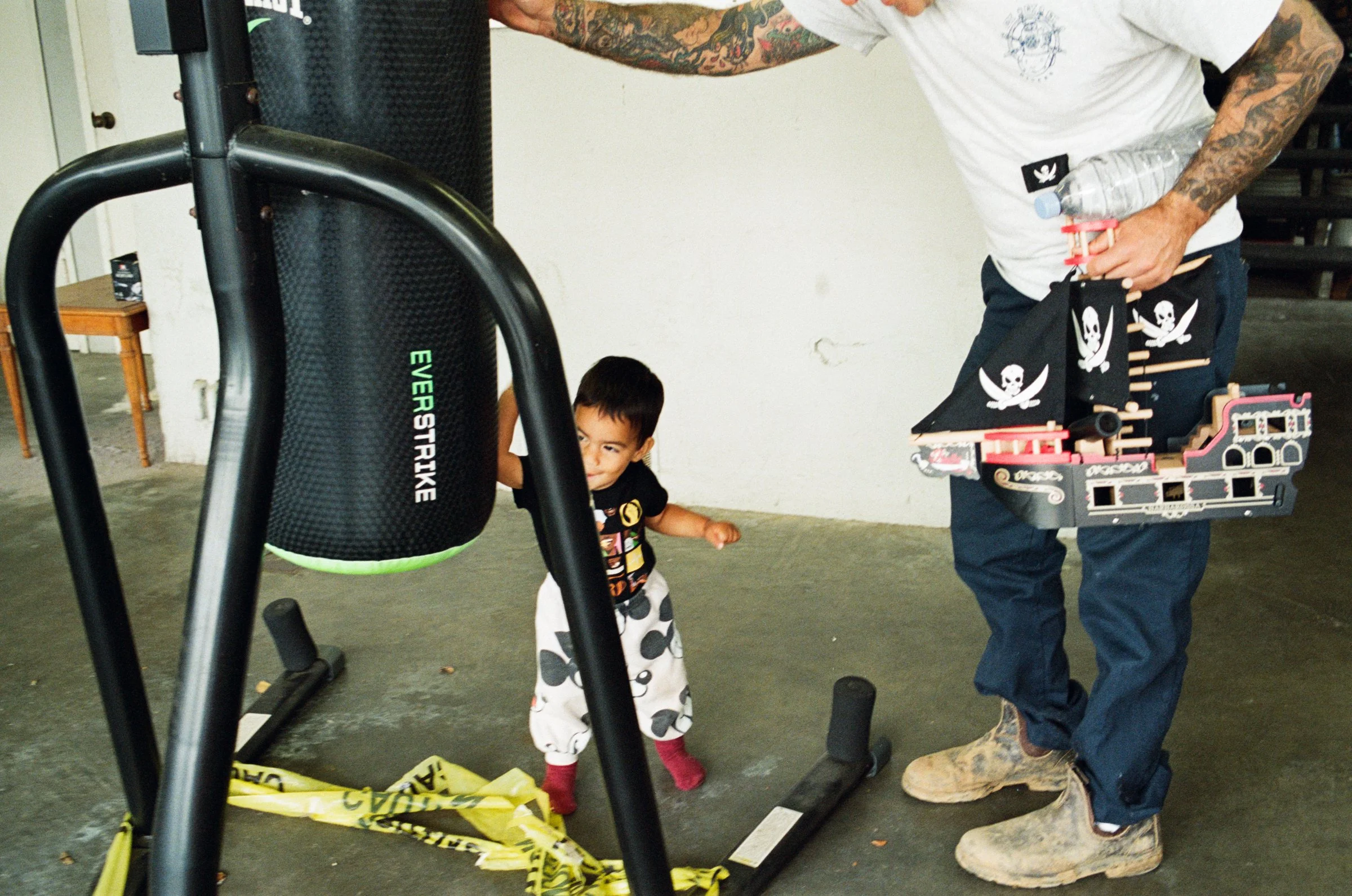
Tyler
“These are the fucking rules.. Fuck the rules.”
Self-employed tradesperson.










Michelle
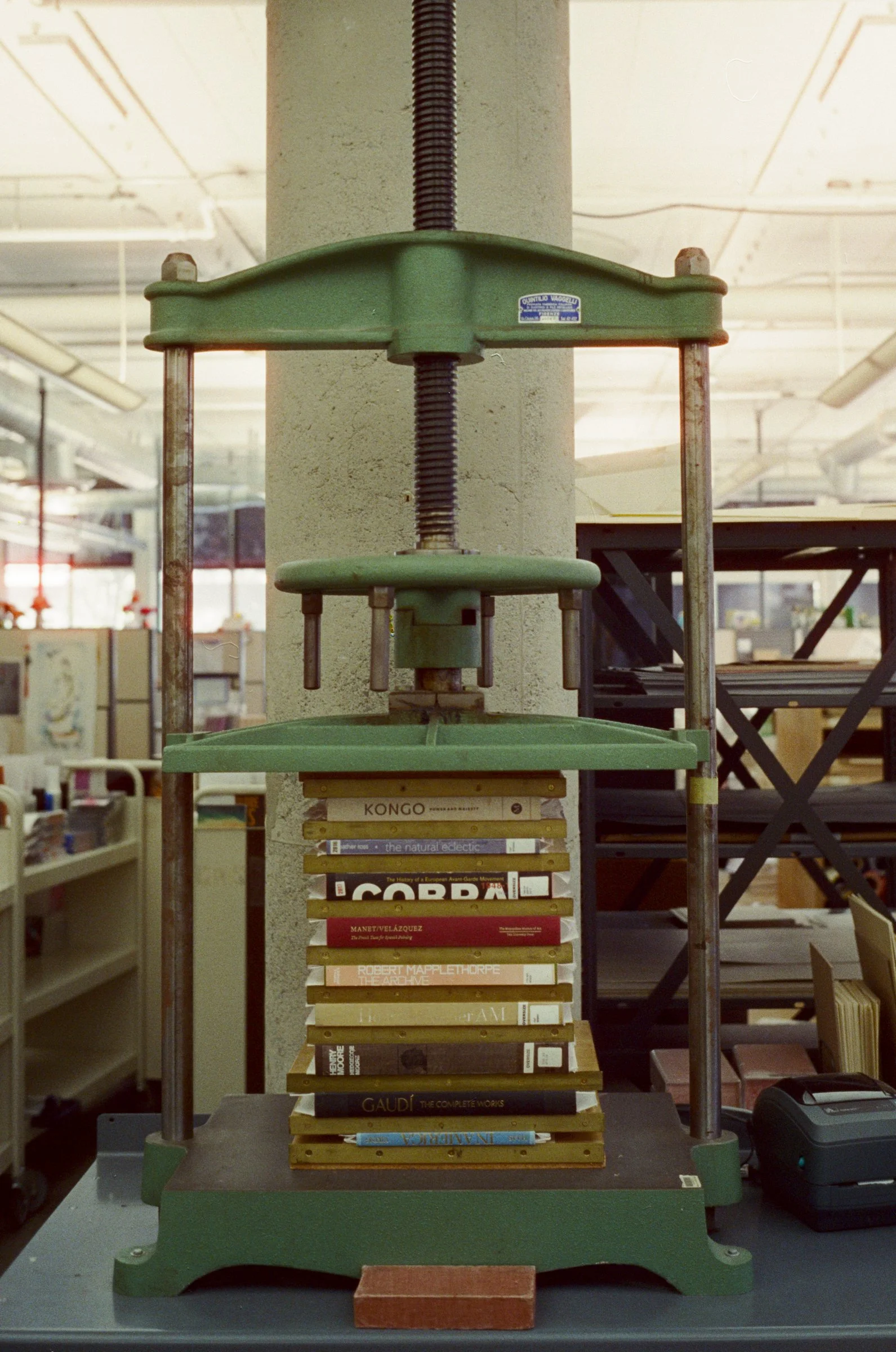
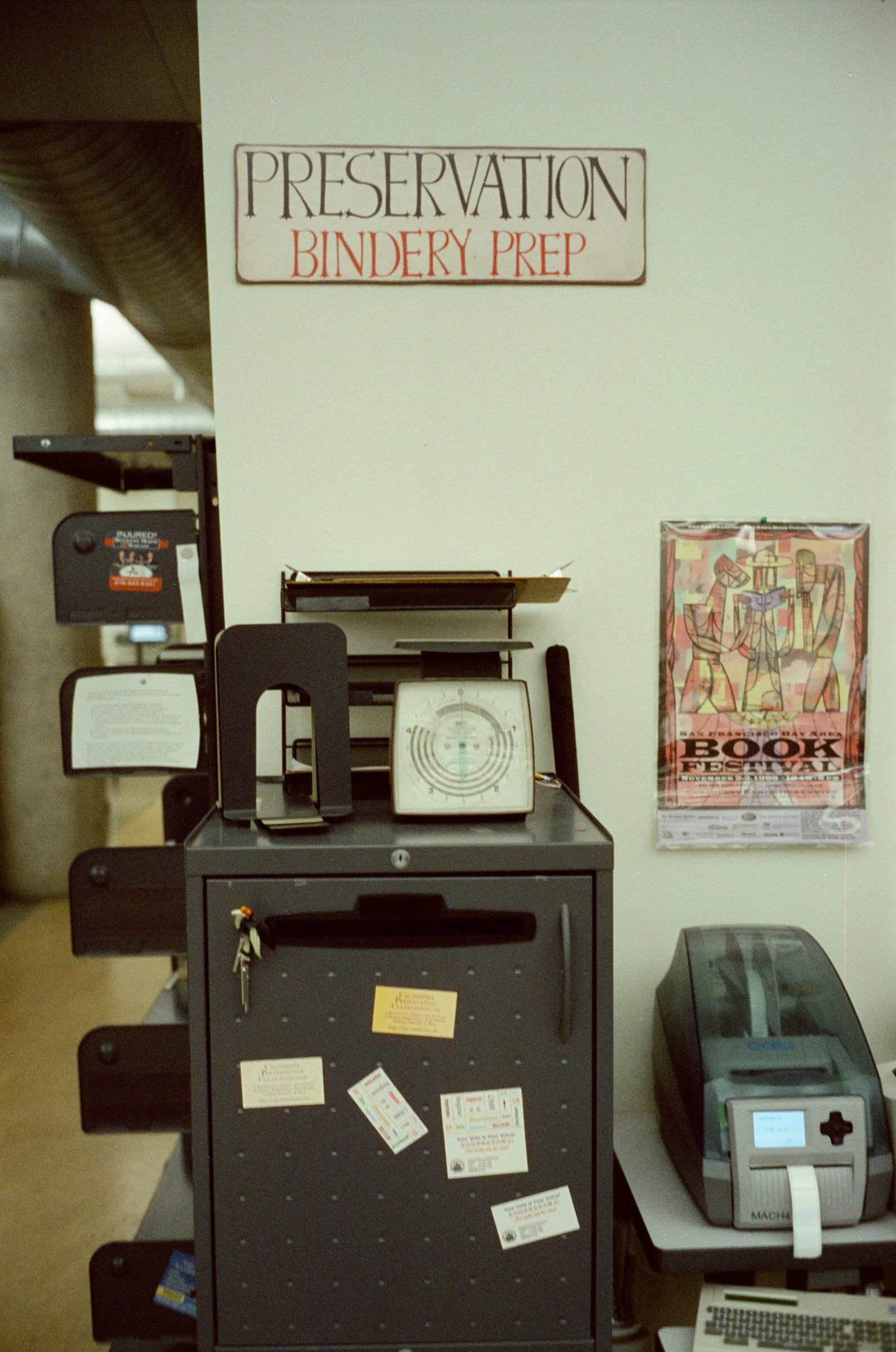
“After graduating school I prioritized finding full-time work as a book conservator. I also moved to a much more expensive part of the country, which quadrupled my expenses. I've resigned myself to spending a lot more of my time working than I would prefer, but now that I'm older I appreciate the stability—and the possibility of retiring. I'm proud that I ended up in a good union job at a public library, and I feel fortunate that my day-to-day work aligns with my interests: bookbinding, history, working with my hands, fixing things. But work is still only a small part of my life, and I would retire tomorrow if I could. I have too much other stuff to do.”
Book Conservator

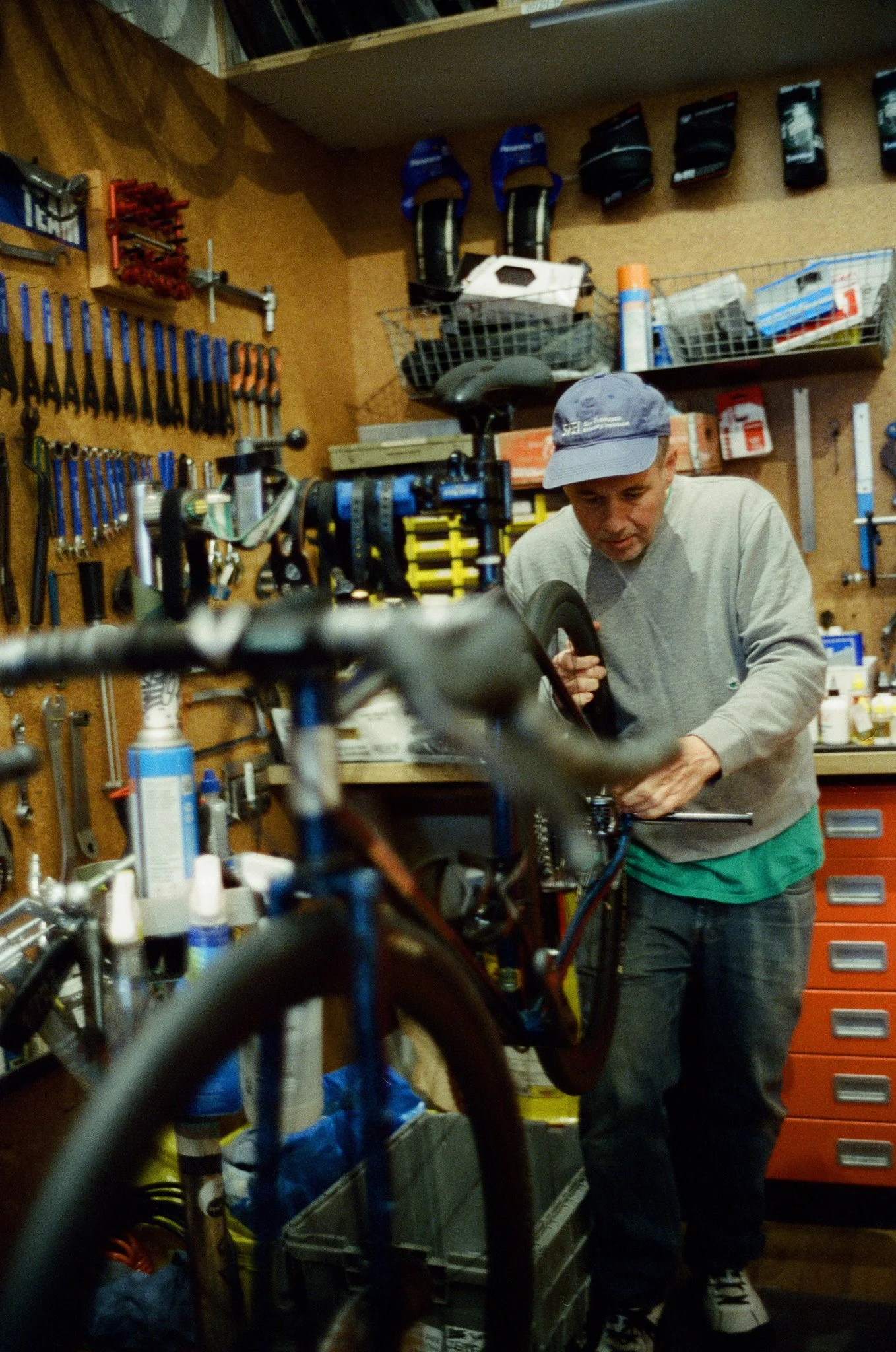




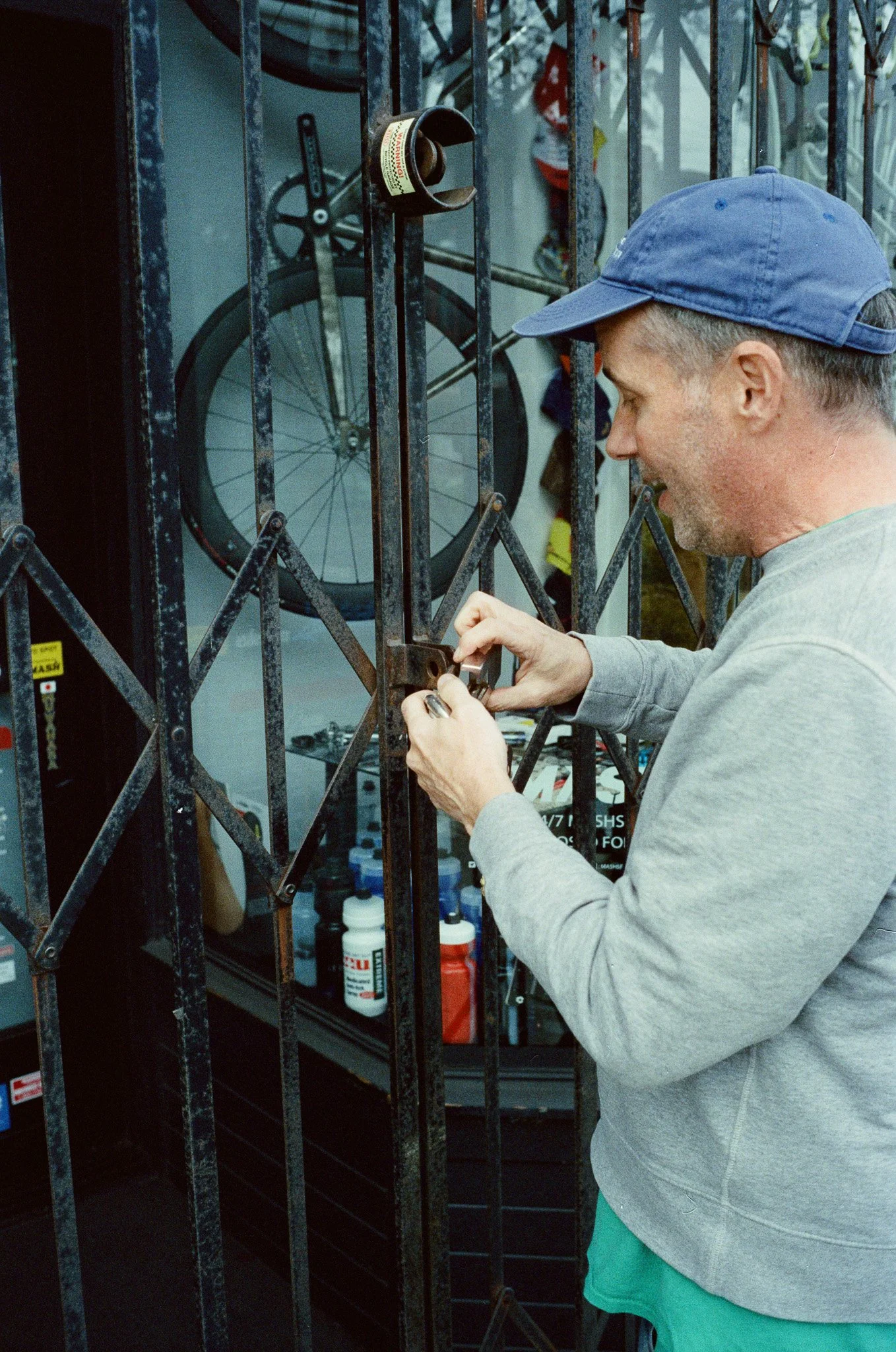
Mike
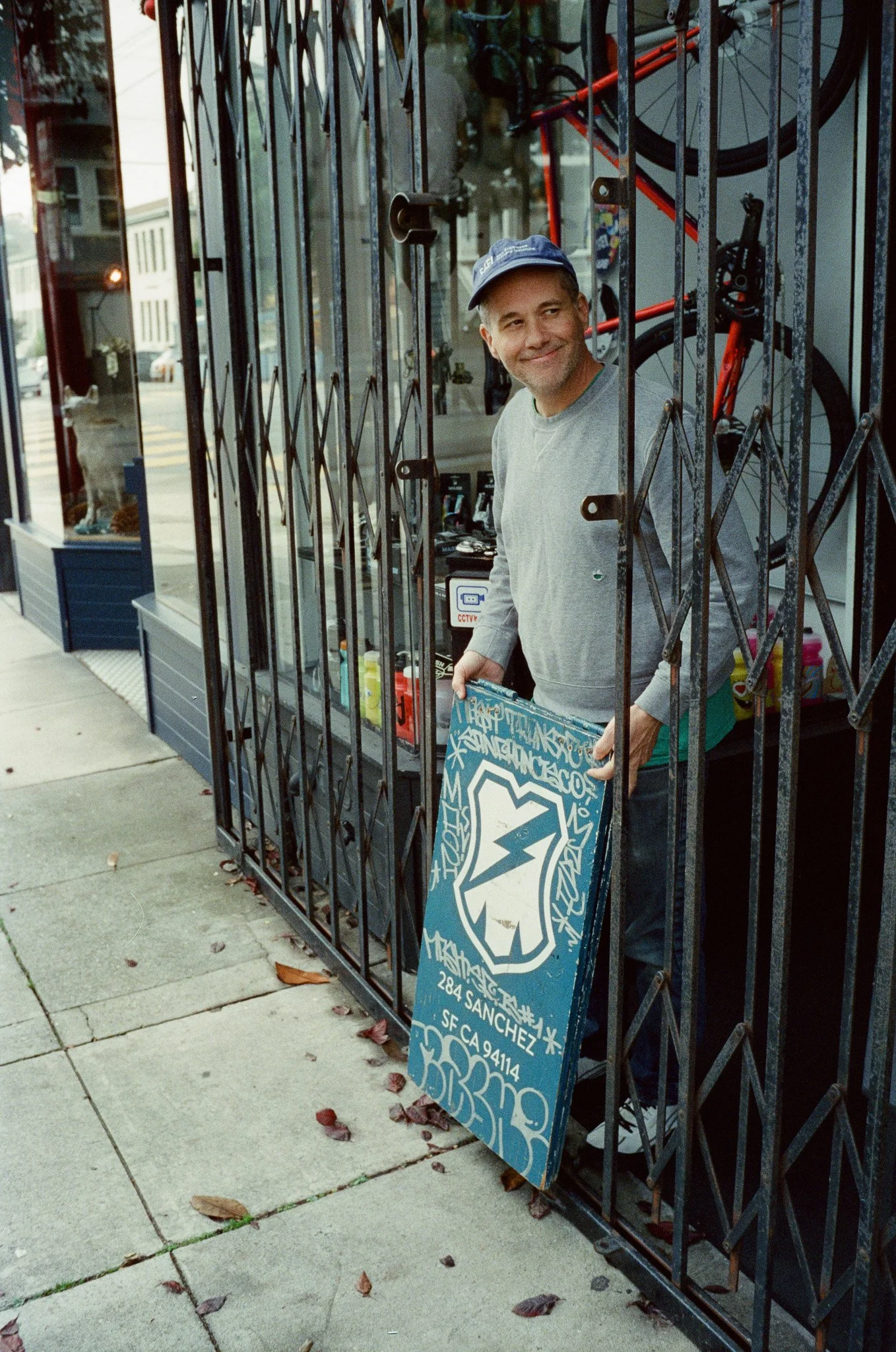
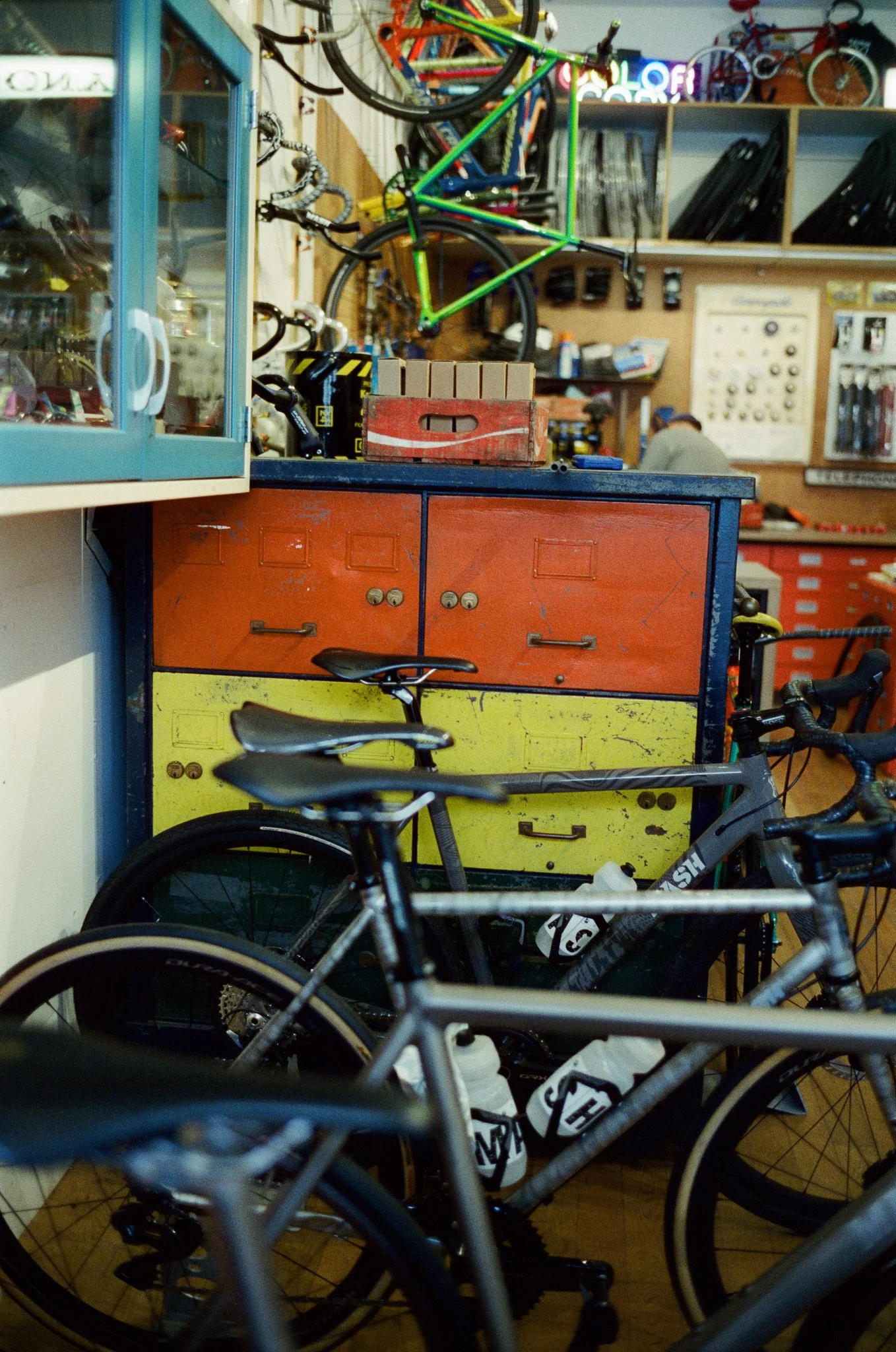
Bicycle shop owner, photographer, brand entrepreneur.




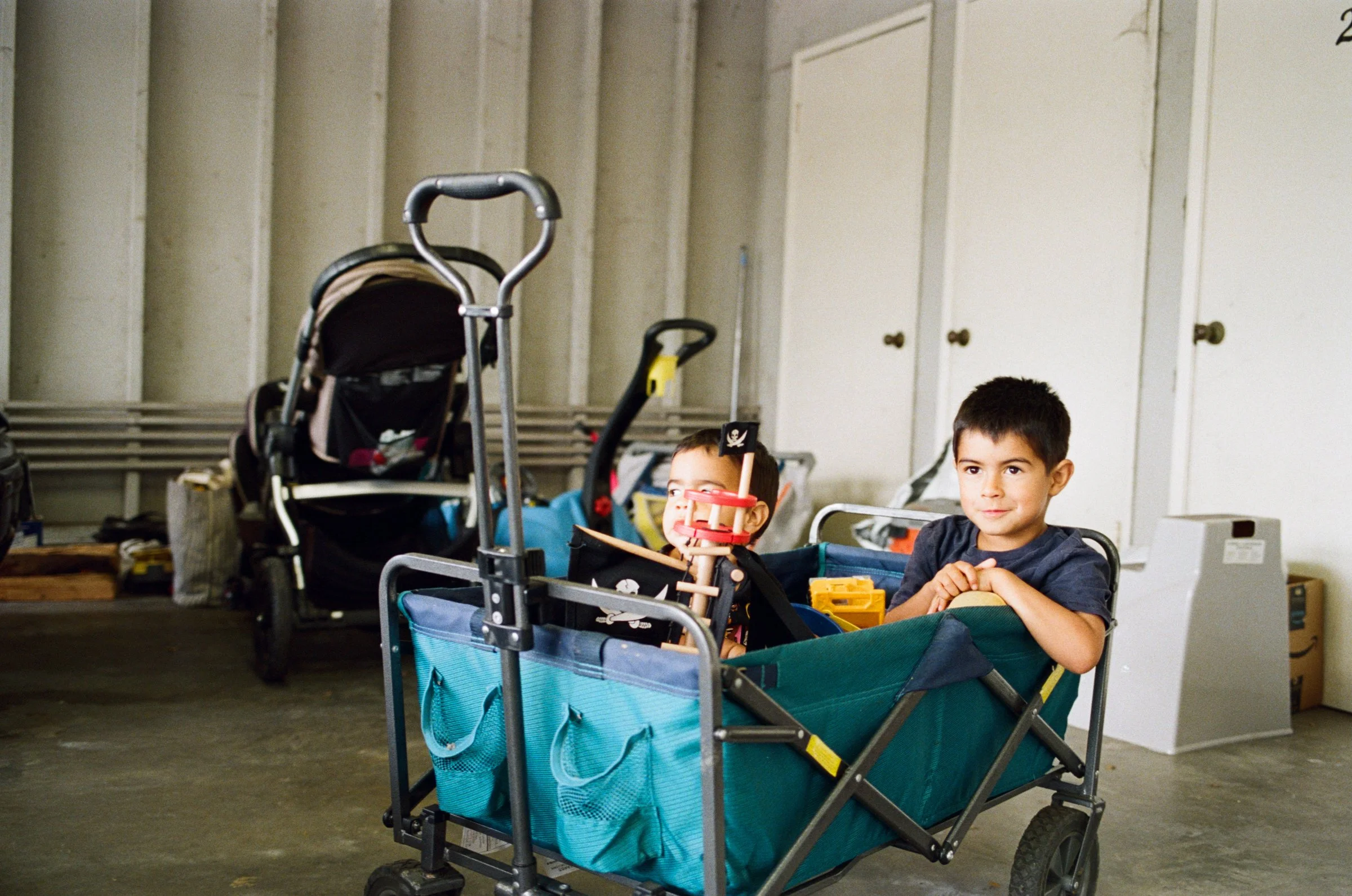

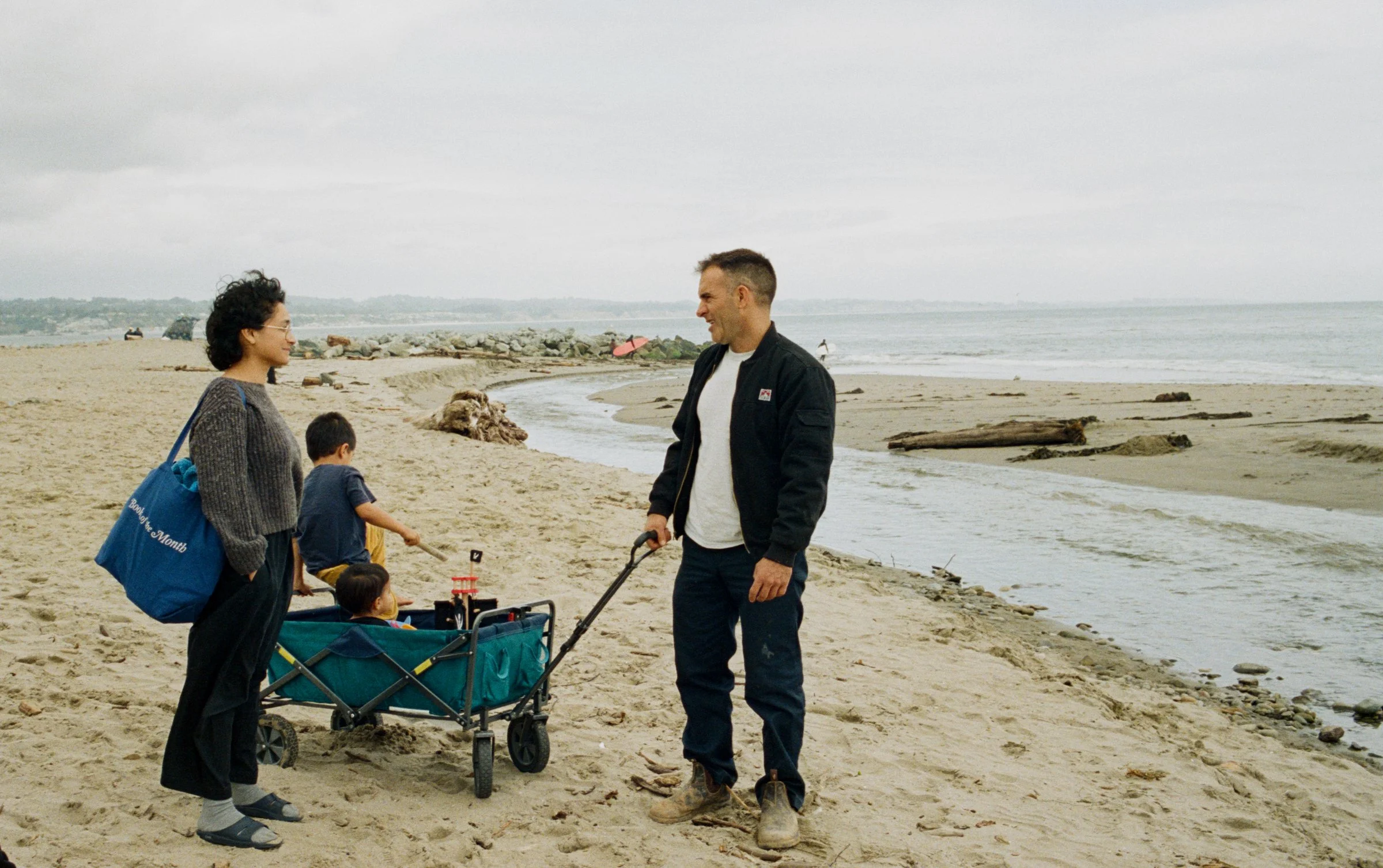
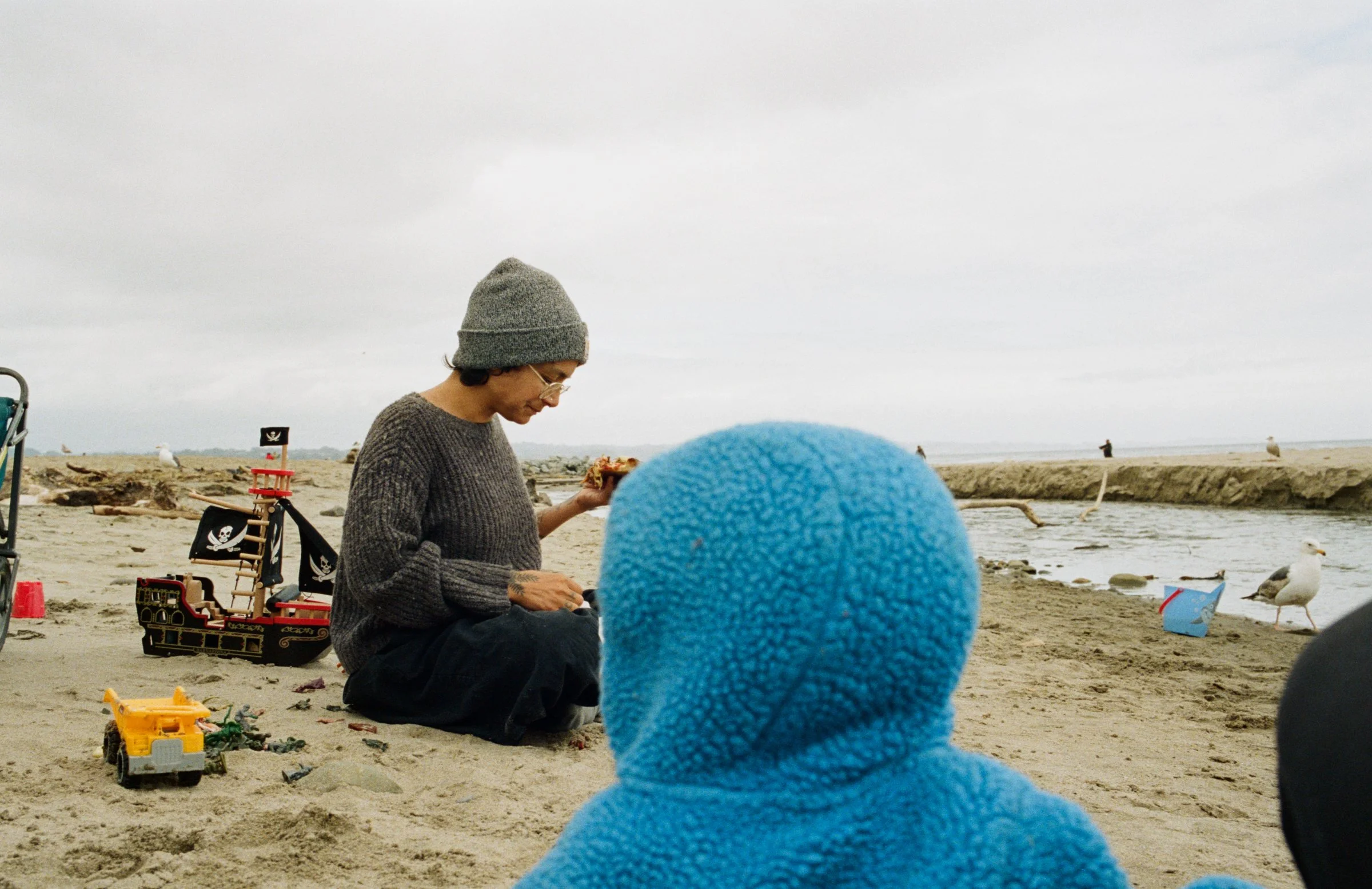
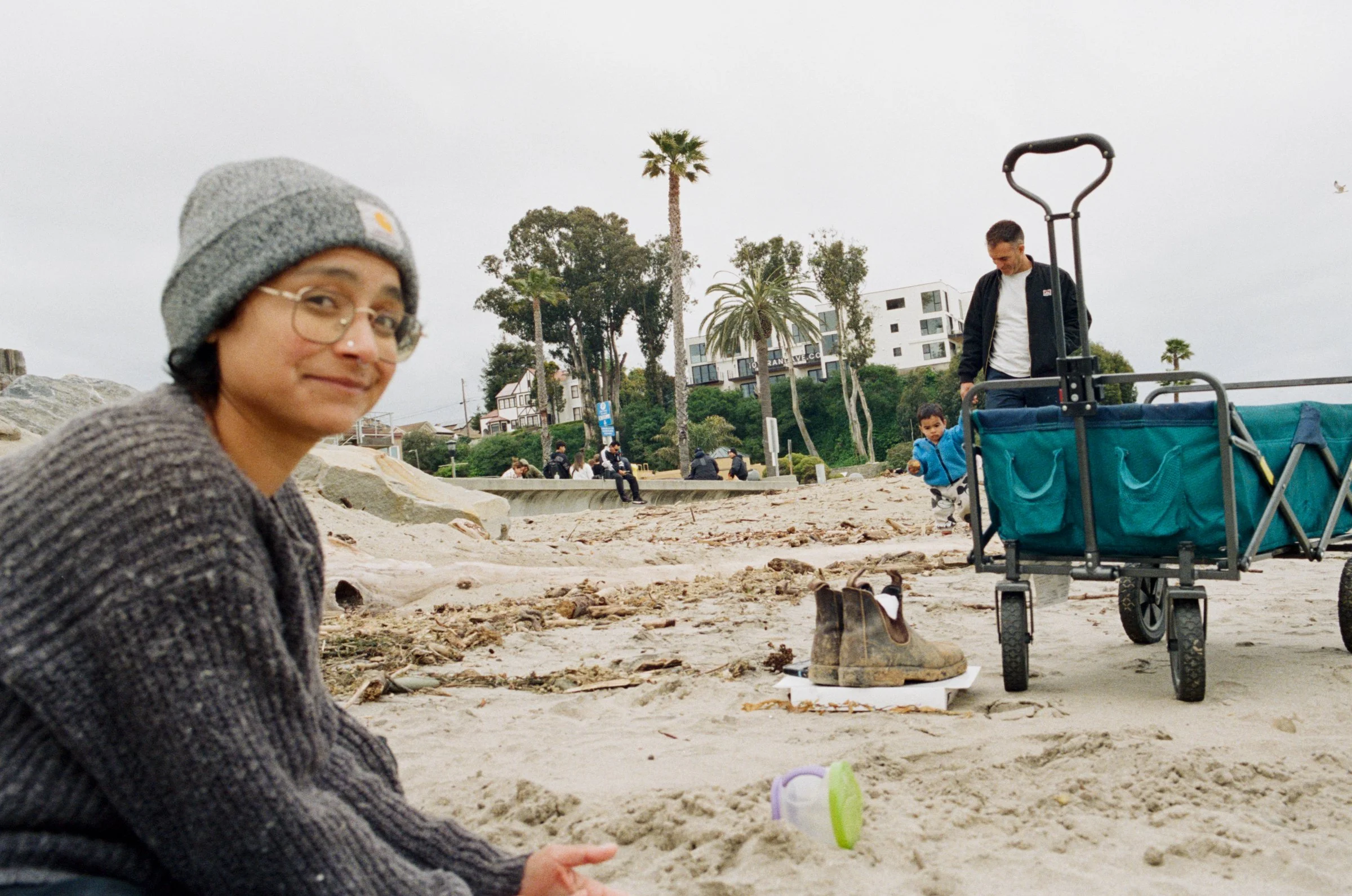
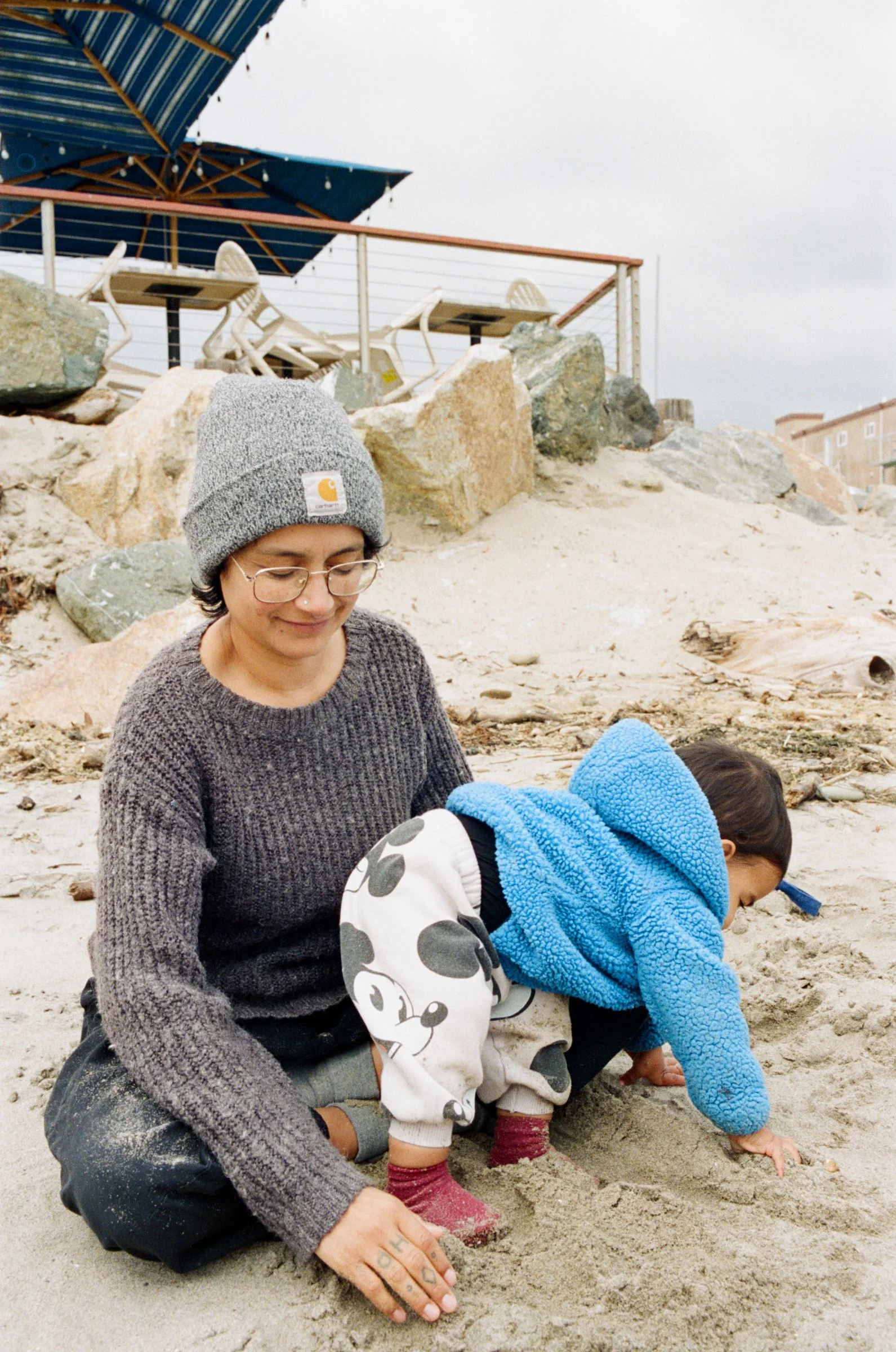



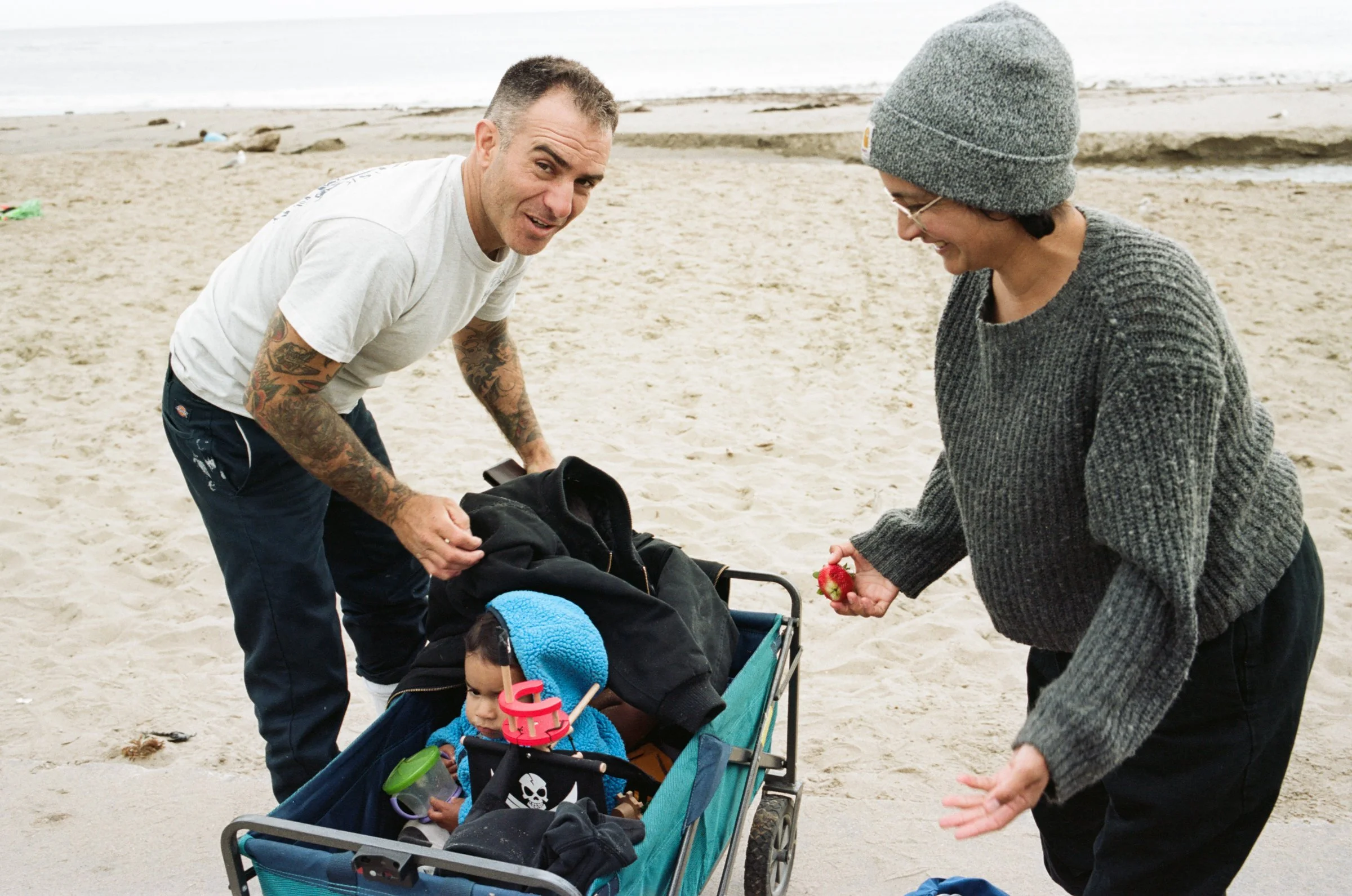
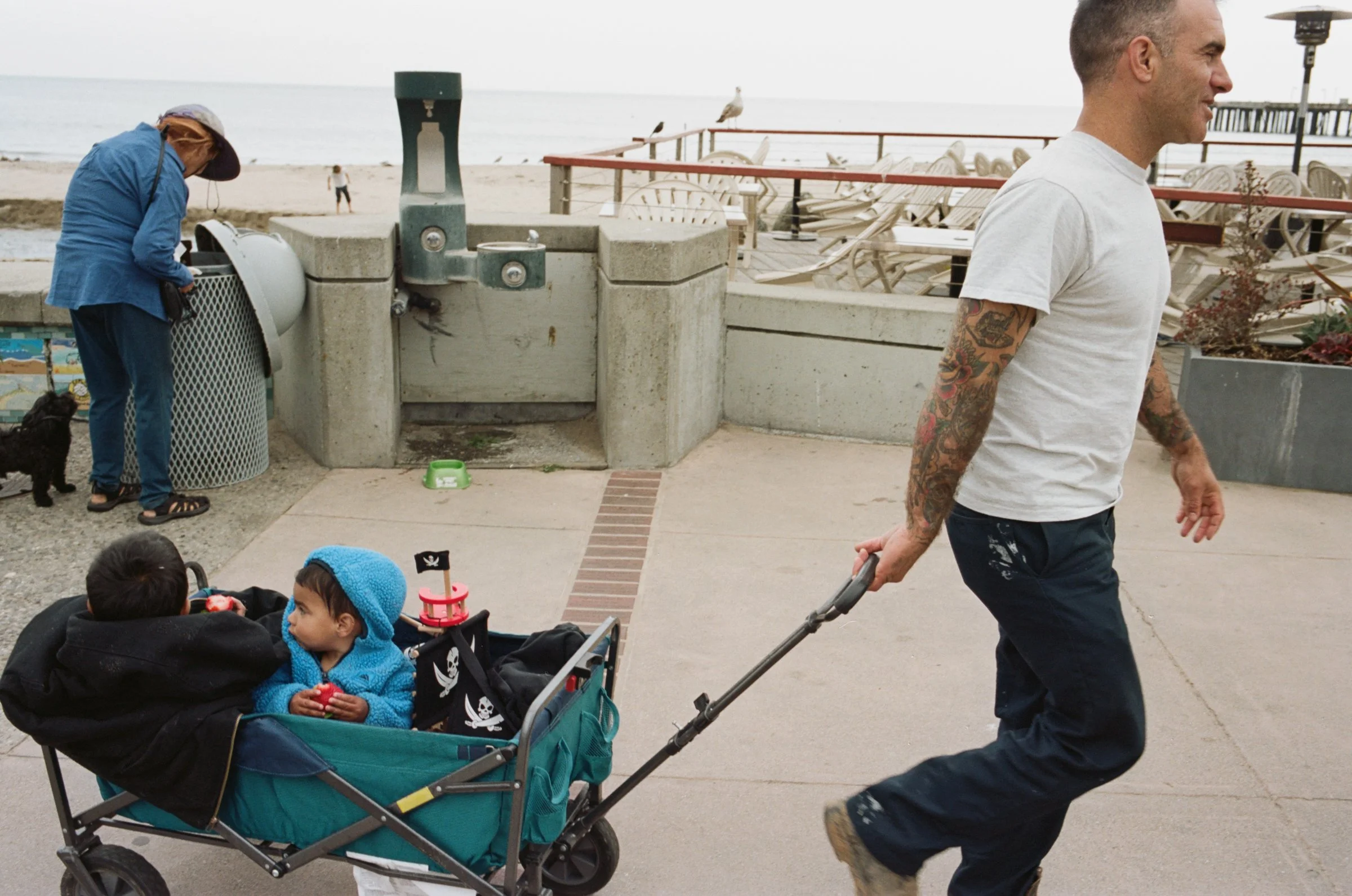
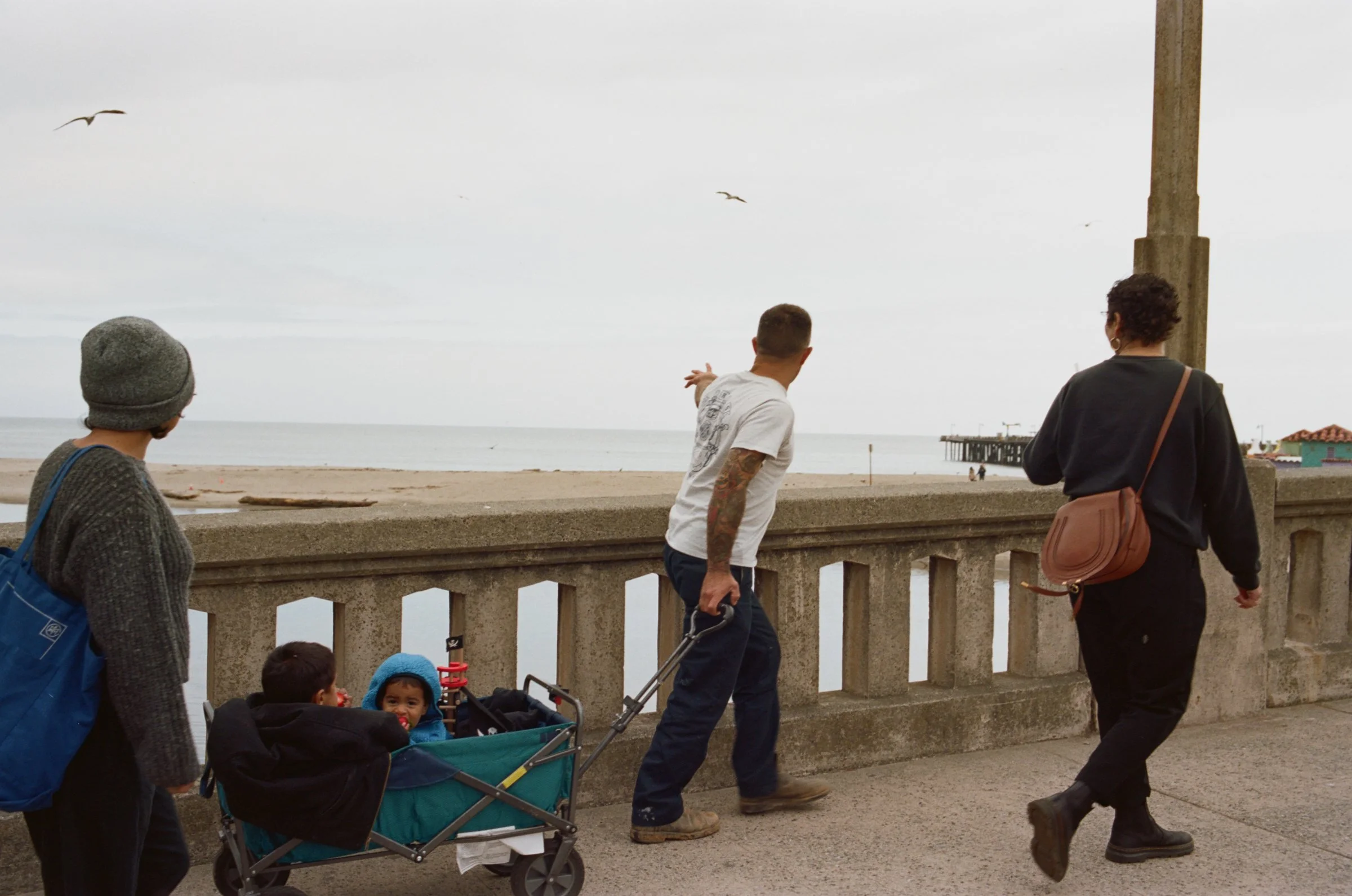


Samantha
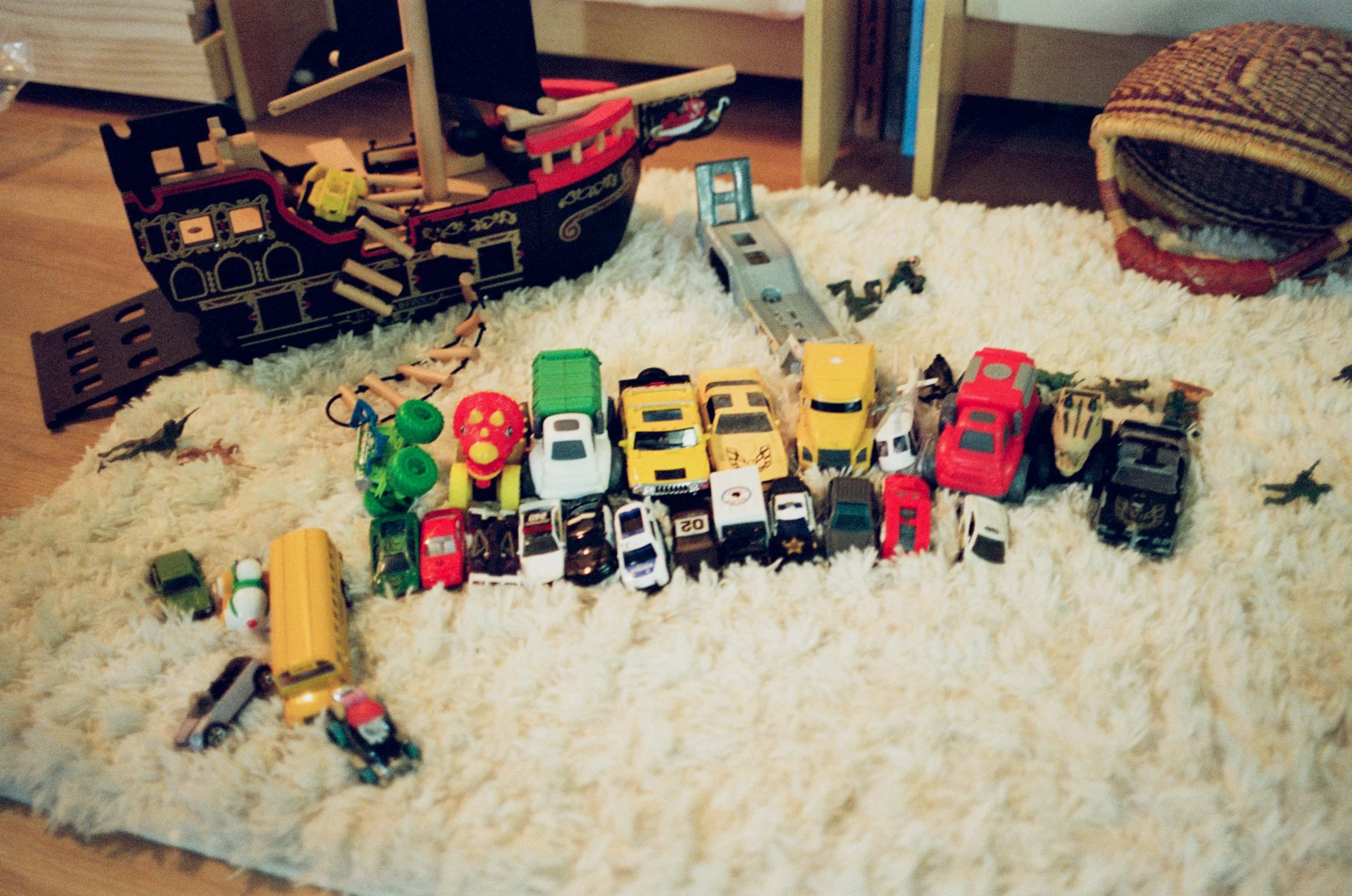
“The first time I had a job in which I could fully support myself it was nannying and it was all under the table. Before and after nannying I had jobs that I felt were more meaningful, “real” and “worthy”, but they never paid the bills. My job as a preschool teacher, after school teacher, Americorps teacher, or tutor all left me hitting up my mom with requests to help with late rent one month or help with paying for groceries another. The jobs that meant something to me didn’t pay enough to live. And the job that did pay, did so only as an illegal transaction.
Being a nanny and taking care of someone else’s children for 8 hours a day is just as important and as hard as being a teacher or tutor. And, as I noted already, it made more money. So why did I feel embarrassed to admit, then, that nannying was my job? There’s this stigma behind working at home with kids. It’s the same stigma with being a stay at home mom (like I am now), which implies that being home with kids is not work. Or it’s not work that *matters*, which are two different things. Being a stay at home mom or being a nanny doesn’t allow for growth; no climbing the corporate ladder, no award ceremonies, no tangible product (just the slow and steady healthy development of human beings). And so, in a capitalistic society, the labor of raising children is, if not invisible, worthless. Teachers also do not get the credit and money they deserve for what they do, but teachers are vital in a capitalistic society for producing future workers. By no means is this why I believe teachers are necessary (teachers are important for so many revolutionary reasons) but it explains the hierarchy of importance. What, to a capitalistic society, do parents and caregivers produce? Only the social and emotional skills that produce caring humans—unnecessary skills.”
Mother
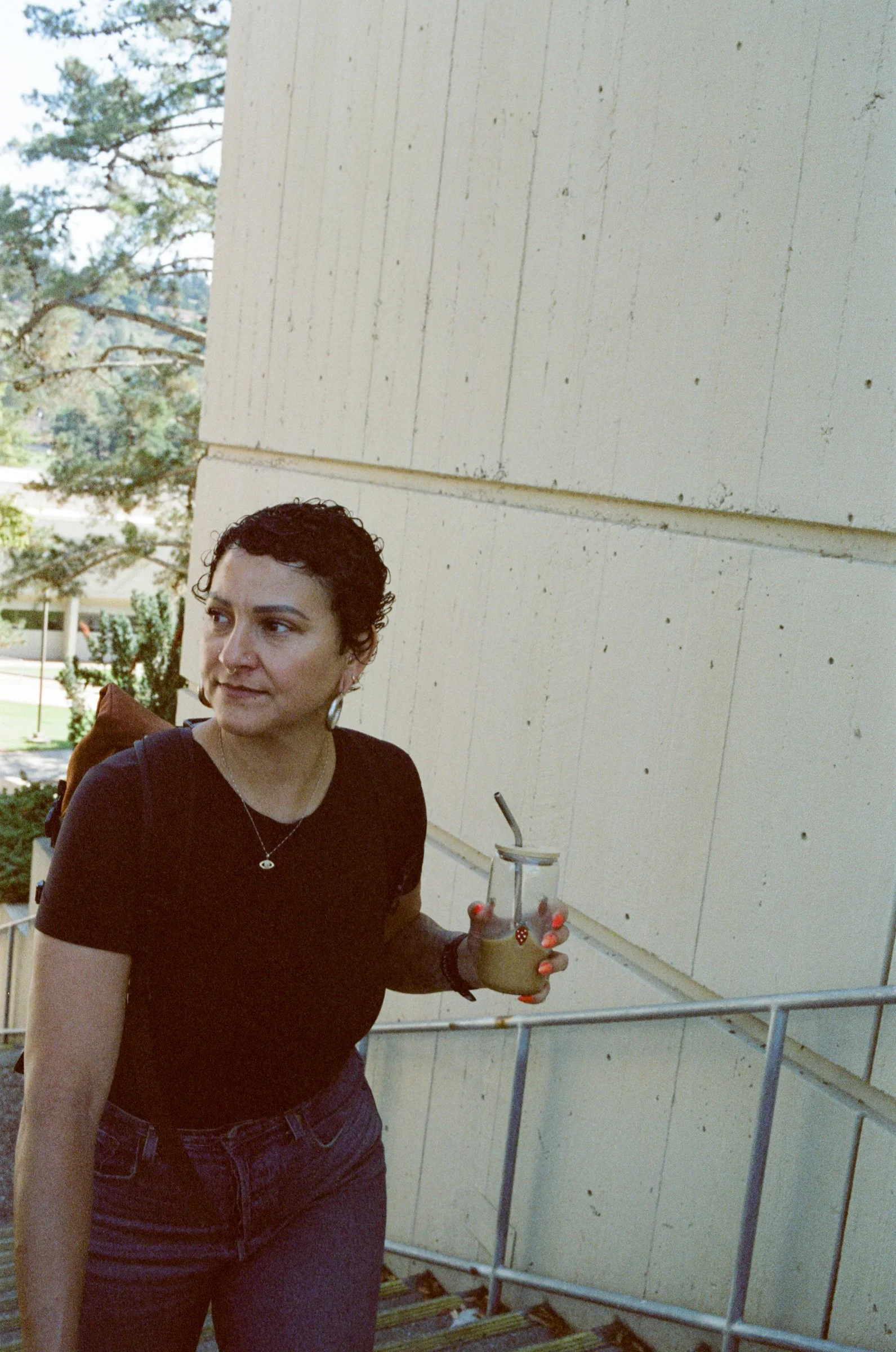








Nicole
Activist, student.